Dental prosthetics replace missing or severely damaged teeth, restoring chewing function, speech and a natural appearance. Which options are suitable for you depends mainly on how many teeth are missing, how stable the jawbone is and whether you prefer a fixed or removable solution. This overview explains the most important options in plain language – so you can go into a consultation well prepared.
What types of dental prosthetics are there?
Dental prosthetics can be divided into three groups: fixed, removable and combined. Fixed prosthetics remain permanently in the mouth, removable prosthetics can be taken out for cleaning, and combined prosthetics bring both principles together.
Which group is right depends on your starting situation: is it about a single tooth, a small gap or a largely toothless jaw? Below we go through the options one by one.
Fixed prosthetics: crown, bridge and implant
Fixed prosthetics are firmly connected to your own teeth or the jawbone and are not removed.
- Crown: A crown covers a single, severely damaged tooth whose root is still intact. It may be suitable after a large filling or root canal treatment.
- Bridge: A bridge closes a gap by resting on the two neighbouring teeth. These teeth must be prepared for this. Bridges often last ten to fifteen years.
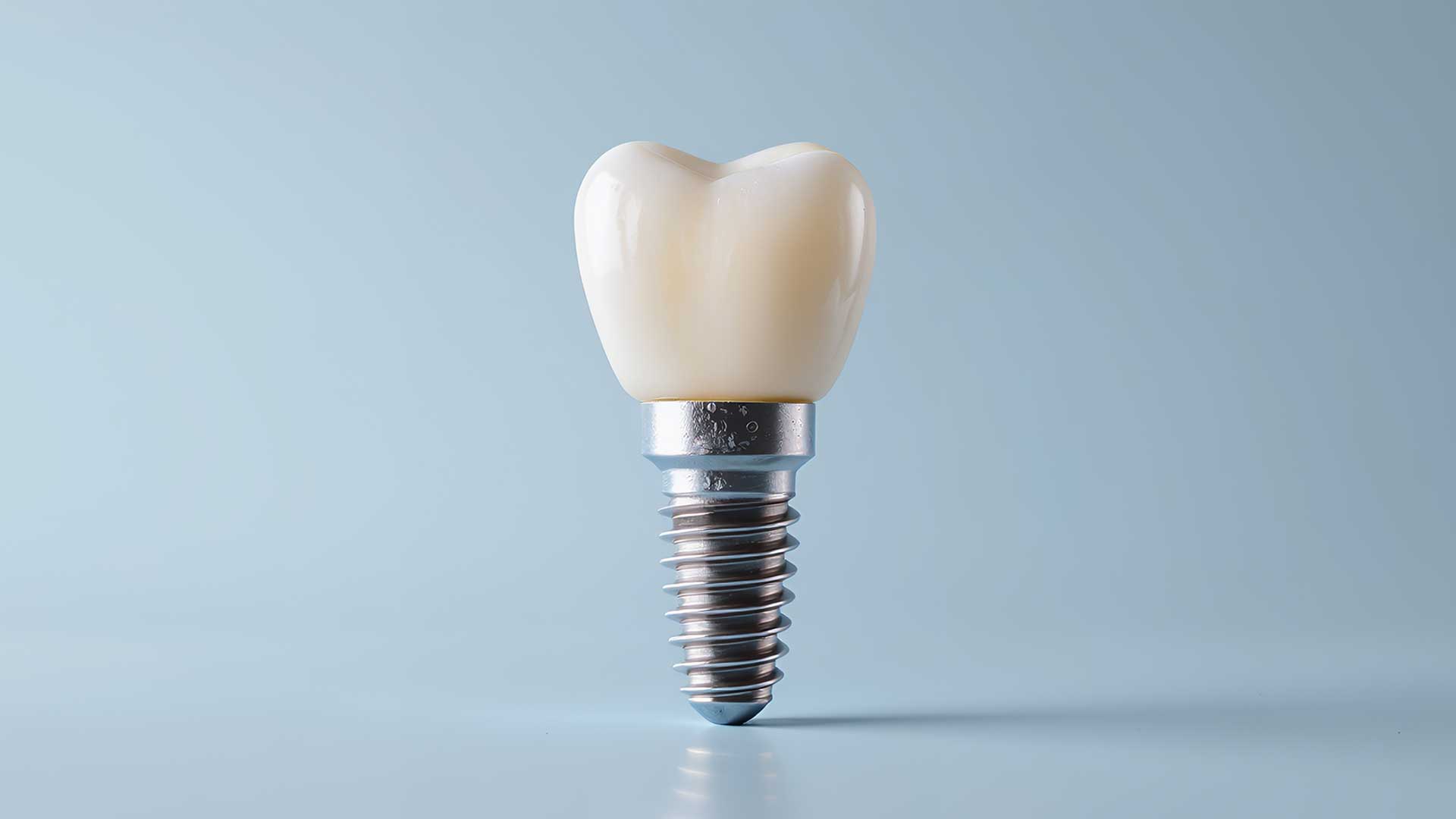
- Implant: A dental implant is an artificial root made of biocompatible titanium that is placed in the jawbone and carries a crown, bridge or denture. It replaces a tooth without grinding down neighbouring teeth. In long-term studies, after ten years roughly 95 out of 100 implants are still firmly anchored in the jawbone.
Read more on our page about implantology.
Removable prosthetics: partial and full dentures
Removable prosthetics are used mainly when several or all teeth are missing and fixed solutions are not possible or not desired.
- Partial denture: Replaces several missing teeth and is attached to the remaining teeth with clasps or finer retaining elements.
- Full denture: Replaces all teeth in one jaw when no own teeth remain. It rests on the jaw and is removed for cleaning.
Removable prosthetics are usually more affordable and can also be implemented when jawbone has already receded. However, they do not achieve the stability of fixed prosthetics, which some patients find takes getting used to.
Combined prosthetics – the best of both?
Combined prosthetics connect fixed and removable elements. One example is the telescopic denture: small double crowns sit on own teeth or implants, and the removable part is fitted onto them.
This solution offers secure retention while still being easy to clean. It is particularly interesting when only a few own teeth remain but should be preserved.
Which option is right for me?
Which dental prosthetic is suitable for you cannot be answered in general terms – it depends on several factors:
- Number of missing teeth: a single tooth, a gap or an entire jaw
- Condition of the jawbone: with little bone, bone augmentation may be necessary before an implant is possible
- Fixed or removable: personal preference and desired wearing comfort
- General health: certain conditions influence which procedures make sense
- Care effort: how much time you want to plan for daily cleaning
Which solution best fits your individual case is clarified in a personal examination and consultation. When the prerequisites are met – sufficient jawbone and good general health – an implant is often the most long-lasting solution because it spares neighbouring teeth and loads the jawbone similarly to a natural root. Whether it is the right choice in your case remains a personal decision, including between longevity and cost.
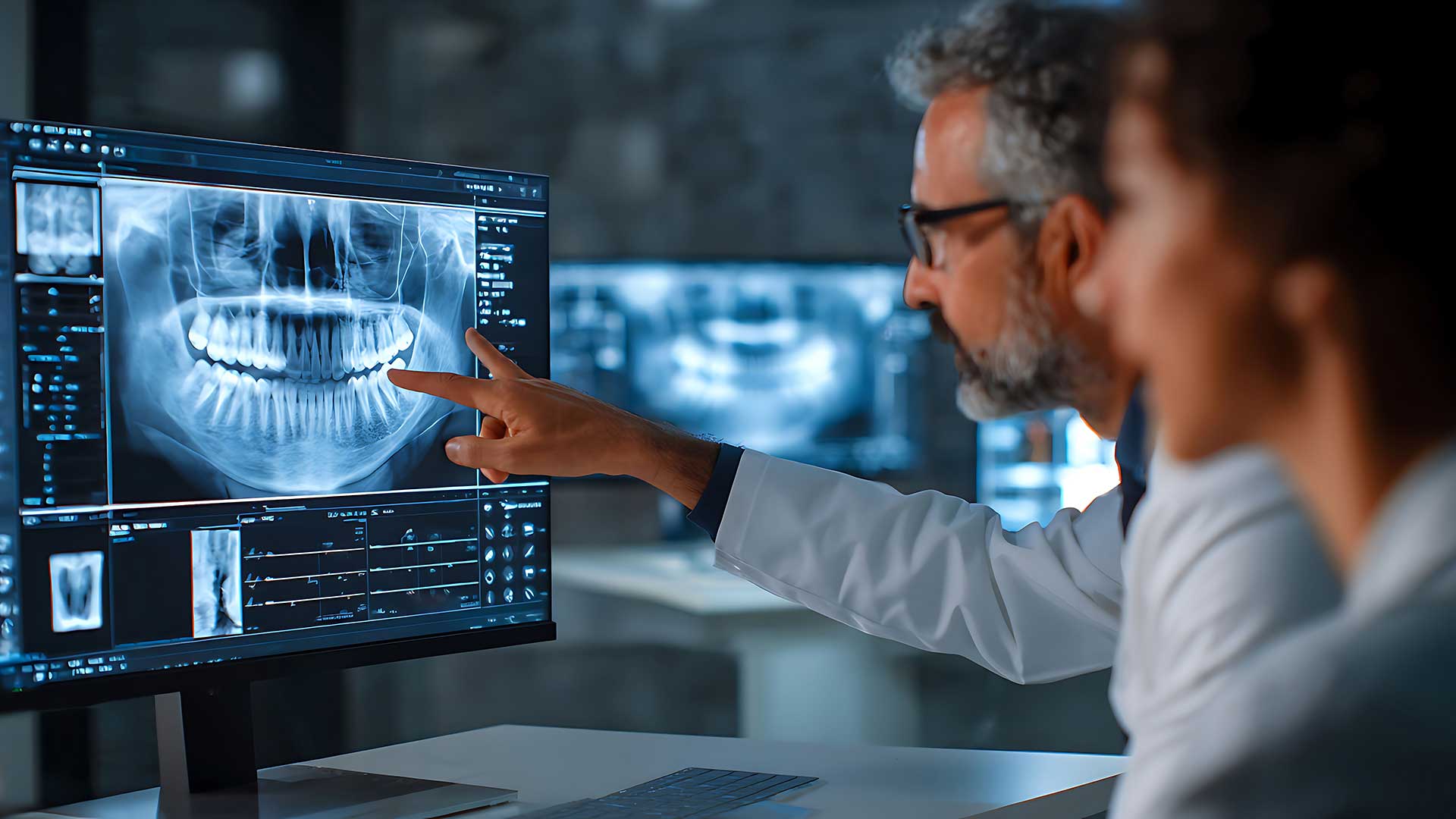
Modern diagnostics help assess the situation precisely: a digital 3D scan replaces traditional impressions and is more comfortable for a sensitive gag reflex, and an X-ray shows how much jawbone is available for an implant.
As a family-run practice in Berlin-Rudow, we combine long-standing experience with current treatment methods and take time to discuss the various options with you in peace.